Scotlandis: A Handwritten Script Font Designed for Real Creative Workflows
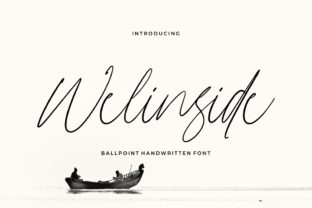
Scotlandis isn’t just another decorative script font—it’s a functional tool built for creators who need beauty *and* precision. With its light, graceful strokes and authentic handwritten rhythm, Scotlandis brings warmth and personality to digital and print projects without sacrificing legibility or versatility. It’s especially valuable when you’re balancing aesthetic intention with practical execution—whether you're designing a brand identity, crafting an email newsletter, preparing a workshop handout, or publishing a small-run zine.
Where Scotlandis Fits in Your Creative Process
Fonts don’t exist in isolation—they slot into specific phases of a project. Scotlandis shines most when used intentionally, not decoratively. Think of it as a finishing-layer typeface: one you reach for after structure is in place, hierarchy is tested, and tone is defined. It rarely works as body text—but excels in headlines, logos, invitations, social media banners, packaging accents, and signature elements like pull quotes or chapter openers.
Before a project begins, Scotlandis helps clarify voice and positioning. If you’re developing a brand for a wellness coach, a boutique bakery, or an independent educator, testing Scotlandis against other scripts (or pairing it with a clean sans-serif) reveals whether “light,” “approachable,” and “handmade” are the right emotional cues. During execution, it supports consistency: once selected, its PUA encoding ensures swashes and alternates remain accessible across platforms—from Adobe apps to modern web design tools—without manual glyph hunting or workarounds.
Practical Integration Across Tools and Platforms
Scotlandis is PUA encoded, meaning every alternate glyph, swash, and ligature lives at a predictable Unicode location. That makes it reliably usable in design software like Illustrator, Photoshop, Affinity Designer, and Figma—no need for OpenType panels unless you want fine-grained control. In Figma, for example, you can enable “Show all glyphs” to preview alternates, then drag-and-drop your preferred version directly onto the canvas.
For web use, Scotlandis works best via self-hosted @font-face declarations or trusted font services that support advanced OpenType features. While basic CSS won’t activate swashes automatically, pairing it with font-feature-settings (e.g., "salt", "ss01", "ss02") gives you granular control over stylistic sets—ideal for animated headings or interactive hover states. Just remember: always test fallback behavior. A well-chosen system font (like Georgia or Inter) preserves readability if Scotlandis fails to load.
In content-heavy workflows—like blogging or course creation—Scotlandis is most effective when applied sparingly and with purpose. Use it for section dividers in Notion docs (via embedded HTML blocks), custom Canva templates, or branded PDFs exported from Google Docs (using the “download as PDF” + font embedding method). Avoid using it in long-form paragraphs or low-resolution mobile previews where stroke contrast may blur detail.
Workflow Examples You Can Adapt Today
- Brand Launch Prep: Draft your visual identity guide using Scotlandis for logo lockups and headline examples—but pair it with Inter or Roboto for body copy. This keeps tone consistent while ensuring scalability across business cards, websites, and pitch decks.
- Educational Materials: Design printable worksheets or slide decks where Scotlandis highlights key takeaways or learning objectives. Its light weight prevents visual fatigue during extended screen time, especially when sized 24–36pt on slides.
- Small-Business Marketing: Build reusable Canva templates for Instagram Stories or email headers using Scotlandis for the main message, then save variants with different swash endings. This speeds up weekly content creation without compromising uniqueness.
- Freelance Proposals: Embed Scotlandis in your proposal PDFs—not for the entire document, but for your name, project title, and closing signature line. It signals care and craftsmanship before the first meeting.
Usability Considerations for Long-Term Use
Because Scotlandis has a distinct personality, consistency matters more than variety. Overusing alternates can dilute recognition—especially in logos or recurring assets. Pick one primary swash (e.g., the descending ‘y’ or ascending ‘f’) and stick with it across touchpoints. That builds familiarity and reinforces visual memory.
Accessibility is another practical factor. While Scotlandis meets basic contrast requirements at larger sizes, avoid using it for UI labels, form fields, or navigation menus. Its connected letterforms and delicate terminals aren’t optimized for rapid scanning or screen reader interpretation. Reserve it for expressive, non-interactive elements where human attention is already focused.
File management also plays a role. Keep Scotlandis installed only on machines where it’s actively used—don’t bloat shared cloud fonts libraries with rarely needed scripts. If collaborating, share a lightweight PDF specimen sheet showing approved alternates and usage rules rather than expecting others to install the font locally.
Pairing Scotlandis Thoughtfully
Successful pairing isn’t about contrast alone—it’s about complementary function. Scotlandis works best beside typefaces that ground its expressiveness. Try it with:
- Inter or Manrope for clean, neutral UI and body copy—both are highly legible, variable, and free to self-host.
- IBM Plex Serif for editorial layouts where you need typographic sophistication without competing flourishes.
- Work Sans for presentations or dashboards where clarity trumps ornamentation.
Avoid pairing Scotlandis with other script fonts—or with overly geometric sans-serifs like Futura or Montserrat. The former creates visual noise; the latter clashes tonally. When in doubt, step back and ask: “Does this combination serve the user’s task—or just look interesting?”
Preparing for Implementation
Before deploying Scotlandis in production, do three quick checks:
- Test rendering across devices: View your design on iOS, Android, Windows, and macOS. Small variations in hinting or anti-aliasing can affect how swashes appear at smaller sizes.
- Verify licensing scope: Confirm whether your license covers web, app, or commercial print use—especially if you’re embedding it in client deliverables or SaaS interfaces.
- Document your choices: Note which alternates you used, where, and why. This saves time during revisions and helps onboard new team members faster.
Scotlandis rewards intentionality. It won’t fix weak layout or unclear messaging—but in the hands of someone who plans before placing, tests before finalizing, and edits before exporting, it becomes a quiet force multiplier. It adds polish without pretense, distinction without distraction, and humanity without compromise.
Use it where attention is earned—not demanded. Apply it where tone needs reinforcing—not defining. And treat it like any other professional tool: learn its limits, respect its strengths, and integrate it where it lifts the work instead of sitting on top of it.