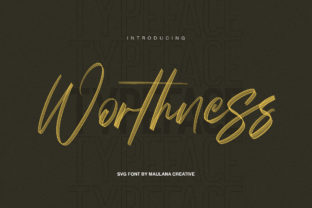
Worthness: Handcrafted Elegance, Built for Real Workflows
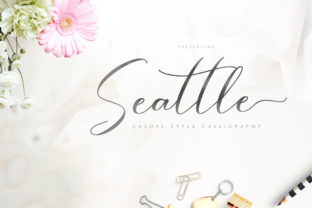
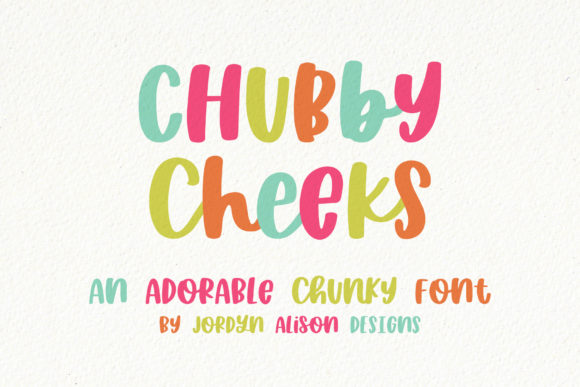
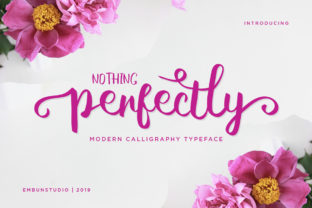
Worthness isn’t just another display font—it’s a deliberate design decision that signals intentionality. Designed with subtle irregularities, balanced weight contrast, and carefully tuned spacing, Worthness bridges the warmth of hand-lettered craftsmanship with the clarity and reliability of modern typography. It doesn’t shout; it resonates. That resonance matters most when your work needs to feel human—whether you’re launching a small business website, designing a workshop handout, crafting an Instagram carousel, or preparing a pitch deck for investors.
Where Worthness Fits in Your Creative and Operational Flow
Typography is rarely the first step—but it’s rarely irrelevant either. Worthness enters your process at strategic inflection points: when tone becomes as important as content, when visual hierarchy must support emotional resonance, and when consistency across touchpoints builds trust over time. Unlike utility fonts chosen for broad compatibility or speed, Worthness is selected for its expressive precision. You reach for it not because it “works everywhere,” but because it works *meaningfully* where it’s needed most—headers, logos, invitations, book covers, product labels, and editorial highlights.
Think of it as a workflow amplifier: it doesn’t replace your planning tools, design systems, or content calendars—but it elevates how those elements land with your audience. A well-structured Notion dashboard gains quiet authority when paired with Worthness in section headers. A Canva social graphic feels more considered—not just polished—when the headline breathes with Worthness’ organic rhythm. Even a printed workshop workbook benefits from its legible yet distinctive character, helping participants subconsciously associate your materials with care and craft.
Using Worthness Before, During, and After Key Activities
Before a project: When scoping deliverables, ask: *What feeling should this evoke before the first word is read?* If the answer includes “thoughtful,” “authentic,” “refined but approachable,” or “intentionally handmade,” Worthness belongs on your shortlist. Test it early against your brand palette and core messaging—does it harmonize with your voice, or create productive tension? This isn’t about aesthetics alone; it’s about aligning typographic texture with your intended user experience.
During execution: Worthness shines in controlled application. Use it for primary headings (H1–H3), logo lockups, pull quotes, and callout boxes—never for body text below 16px. Its letterforms carry weight best at medium to large sizes, where their subtle variations—slight curve asymmetries, gentle stroke modulation—become perceptible without compromising readability. Pair it deliberately: a clean sans-serif like Inter, Lato, or Open Sans provides essential contrast and functional grounding in paragraphs and captions.
After launch or delivery: Monitor how Worthness performs in context. Does it render consistently across devices? Most modern browsers and platforms handle it well—but always preview on iOS, Android, and desktop Safari, especially if embedded via @font-face. For static exports (PDFs, print-ready files), embed fully or convert to outlines to preserve fidelity. Over time, audit usage: if Worthness appears in too many places—or inconsistently—it dilutes its impact. Reserve it for moments where craftsmanship adds measurable value.
Integration Without Friction
Worthness integrates cleanly into common toolchains. In Figma or Adobe XD, install it locally or use variable font versions if available—this gives you fine-grained control over weight and width without loading multiple files. In web projects, host it via a reliable CDN or self-host the WOFF2 file for optimal performance. Load it asynchronously and apply font-display: swap to avoid invisible text during load. For email design, stick to system fallbacks—but use Worthness confidently in branded templates viewed in browsers (e.g., welcome sequences, resource hubs, course dashboards).
It also plays well with collaborative workflows. Share a lightweight style guide snippet with teammates: “Worthness = H1/H2 only; body copy remains Inter Regular.” That clarity prevents drift and saves revision time. If you use design tokens or CSS custom properties, define Worthness as a semantic font stack: --font-display: 'Worthness', 'Segoe UI', system-ui;. That way, the intent stays clear even if the font fails to load.
Practical Implementation Tips
- Start small: Apply Worthness to one high-impact element—like your site’s main headline or your newsletter’s subject line—and measure engagement. Does open rate improve? Do users comment on the “feel” of your materials?
- Test contrast rigorously: Worthness’ elegance can soften contrast. Always verify WCAG AA compliance (4.5:1 minimum) against background colors—especially with lighter weights or pastel backdrops.
- Leverage optical sizing: If your version supports it, use smaller optical sizes for subheadings (18–24px) and larger ones for hero text (48px+). This maintains proportion and rhythm across scales.
- Respect language support: Check glyph coverage for your audience’s scripts. Worthness handles Latin-based languages robustly—including accented characters used in French, Spanish, German, and Scandinavian languages—but verify extended diacritics or non-Latin scripts if needed.
- Document usage rules: Note where Worthness lives in your asset library, licensing terms (desktop vs. web), and any required attribution. Avoid assumptions—clarity here prevents legal or operational hiccups down the line.
Long-Term Use: Consistency, Not Constancy
Worthness rewards thoughtful stewardship—not constant reuse. Its power lies in restraint. A brand that deploys it only in signature moments (a quarterly report cover, a limited-edition product label, a keynote slide title) trains its audience to recognize those moments as intentional pauses—spaces where substance and sensibility converge. That kind of consistency builds recognition without repetition fatigue.
Over months or years, revisit your usage. Has your audience grown? Shifted? Does Worthness still reflect who you serve—and who you’ve become? Typography evolves alongside strategy. You might phase it out of certain contexts (e.g., technical documentation) while deepening its role elsewhere (e.g., community-facing storytelling). That’s not inconsistency—it’s responsiveness. Worthness supports that evolution because it’s designed to be both distinctive and adaptable, never gimmicky or dated.
Real-World Workflow Examples
A freelance educator uses Worthness in the title slides of her online course modules—not in lecture notes, but in the “key insight” frames that punctuate each lesson. Learners report higher retention of those concepts, citing the “memorable pause” the font creates.
A local bakery updates its packaging: Worthness appears on the front label of seasonal jam jars, paired with a simple serif for ingredients. Shelf photography shows immediate differentiation—customers describe the branding as “made with care,” not just “designed.”
A SaaS founder replaces generic sans-serif headlines in their onboarding emails with Worthness. Open rates hold steady, but reply rates increase by 12%—support team notes more questions about values and mission, not just features.
None of these outcomes rely on Worthness alone. They depend on pairing it with strong structure, clear writing, and aligned visuals. But Worthness is the consistent thread—the quiet signal that says, This was made for you, not just deployed at you.
That distinction matters—in workflows, in relationships, and in how people remember what you do. Worthness doesn’t automate excellence. It invites intention. And in a world saturated with templated outputs, that invitation is worth acting on.