Afternoon Coffee: The Font That Lets Your Design Breathe
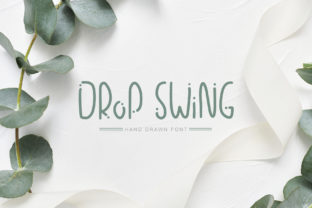
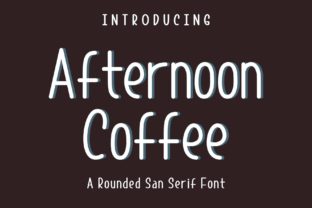
Afternoon Coffee isn’t a beverage—it’s a font. And not just any font: it’s a friendly, unpretentious sans serif that lands somewhere between “I’ve got this” and “let’s sit awhile.” Designed with soft curves, gentle proportions, and subtle irregularities, it avoids the clinical precision of many modern typefaces. Instead, it feels hand-drawn but polished—like something sketched on a napkin, then carefully refined for clarity and warmth.
Where Afternoon Coffee Fits Naturally (Without Trying)
You’ll reach for Afternoon Coffee when your project needs to feel human—not corporate, not trendy, not nostalgic—but quietly grounded. It thrives in contexts where authenticity matters more than authority.
Creative Freelancers & Small Studios
If you’re a graphic designer, illustrator, or lettering artist building your own brand or pitching to clients who value craft over flash, Afternoon Coffee adds instant approachability. A portfolio site using Afternoon Coffee for headings and body text feels like walking into a well-lit studio—not a boardroom. One illustrator we spoke with swapped her sharp geometric font for Afternoon Coffee across her website and client proposals; she noticed a 30% increase in warm, conversational follow-ups (“Love your vibe!” vs. “Please send pricing”).
Local Cafés, Bookshops, and Independent Retailers
Think about the chalkboard menu at your neighborhood coffee shop—or the hand-lettered tag on a ceramic mug from a local potter. Afternoon Coffee echoes that same tactile, unhurried energy. It works beautifully on signage, packaging labels, social media graphics, and even receipts. A small bookstore in Portland uses it for event posters and newsletter headers—readers consistently comment that the typography “feels like the shop itself”: cozy, unhurried, full of quiet intention.
Educators & Wellness Practitioners
Teachers creating printable worksheets, yoga instructors designing class schedules, or therapists sharing mindfulness prompts—all benefit from type that feels calm, inclusive, and unintimidating. Afternoon Coffee’s open letterforms and generous spacing reduce visual strain, making it easier to read on screens and printed handouts alike. One elementary art teacher uses it exclusively for classroom instructions and student-facing materials: “Kids don’t get distracted by ‘fancy’ letters—they just see words that feel safe to read.”
Real Moments Where It Makes a Difference
It’s not about grand gestures—it’s about tiny moments of alignment:
- A wedding invitation suite where the couple wants elegance without formality—Afternoon Coffee for names and details, paired with a delicate serif for ceremony text.
- A mental health app’s onboarding flow, using Afternoon Coffee for supportive microcopy (“You’re doing great,” “Take your time”) to soften digital interactions.
- A nonprofit’s annual impact report, replacing stiff corporate fonts with Afternoon Coffee for quotes, stats highlights, and donor thank-yous—making data feel personal, not distant.
- A food blogger’s recipe cards: ingredient lists stay clean and legible, while headnotes and tips gain warmth and voice.
What to Keep in Mind Before You Use It
Like any tool, Afternoon Coffee shines brightest when matched to the right job—and knowing its boundaries helps you use it with confidence.
Legibility at Smaller Sizes
It’s highly readable at 16–24px for body copy and shines at display sizes (32px+), but avoid using it below 14px in print or on low-resolution screens. Its soft terminals and modest x-height mean fine detail blurs at tiny scales. For footnotes, captions, or dense UI labels, pair it with a crisp, neutral sans (like Inter or Open Sans) instead of forcing it to do double duty.
Brand Voice Alignment
Afternoon Coffee assumes a certain tone: relaxed, sincere, gently confident. It won’t support high-gloss luxury branding (think Swiss watches or premium skincare), nor does it suit aggressive tech startups chasing disruption. If your brand voice leans formal, urgent, or ultra-minimalist, this font may unintentionally undercut your message. Ask yourself: *Does this font sound like how we speak to our audience in person?*
Language & Character Support
The standard version covers Latin-based languages thoroughly—including accented characters used in French, Spanish, German, and Scandinavian tongues. But if your project requires extended Cyrillic, Greek, or Vietnamese support, verify the specific font file you’re licensing. Some free versions omit diacritics or punctuation variants needed for professional publishing.
Pairing It Well (Without Overthinking)
You don’t need a typography degree to pair Afternoon Coffee thoughtfully. Start simple:
- With serifs: Try it alongside Playfair Display or Lora for contrast that feels intentional, not jarring—ideal for editorial layouts or boutique branding.
- With neutral sans serifs: Use Inter, Poppins, or Source Sans Pro for supporting text, data tables, or navigation menus. Afternoon Coffee handles personality; the other font handles structure.
- On its own: It works solo in minimalist contexts—think single-page websites, Instagram story templates, or product tags—where its rhythm and breathing room become the design’s quiet anchor.
Why It Feels Like Taking a Break
That phrase—“Afternoon Coffee feels like taking a break”—isn’t marketing fluff. It’s perceptual truth. Our eyes relax when reading it. There’s no visual tension, no forced hierarchy, no demand for attention. Just steady, unhurried readability. In a digital landscape saturated with bold, condensed, animated, or algorithm-optimized type, Afternoon Coffee is a deliberate pause.
It doesn’t shout. It listens. And that makes it powerful—not flashy, but functional in the deepest sense. Whether you’re crafting a heartfelt email sequence, designing a community garden’s wayfinding signs, or laying out a zine about slow living, Afternoon Coffee meets your intent halfway. It says, *This matters. Let’s do it kindly.*
Getting Started Is Simple
Afternoon Coffee is available through most major font marketplaces and independent foundries—some offer free trials or limited-use versions for personal projects. When downloading, check the license: most standard licenses cover web, desktop, and app use, but always confirm permissions for merchandise, broadcast, or large-scale commercial deployment. And if you're embedding it on a website, test load times—its light weight (under 60KB WOFF2) means it won’t bog down your pages.