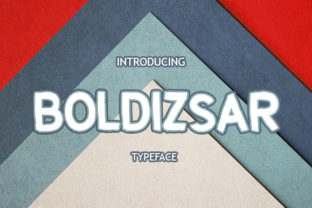
Boldizsar: A Bold & Charming Sans Serif Font
Boldizsar isn’t just another font—it’s a confident, clean, and quietly versatile sans serif with distinctive character. Its balanced proportions, open letterforms, and subtle personality make it stand out without shouting. Whether you’re designing a logo, setting body text for a blog, or crafting a presentation slide, Boldizsar delivers clarity and warmth in equal measure.
Why Designers and Marketers Reach for Boldizsar
For designers and marketers, typography is tone—and Boldizsar sets one that’s both approachable and assured. Its strong x-height and generous spacing ensure readability at small sizes, while its slightly rounded terminals and gentle contrast add charm without sacrificing professionalism. A startup founder might choose Boldizsar for a brand identity because it feels modern yet human—neither coldly technical nor overly playful. A marketer building an email campaign could use it for headlines to grab attention, then pair it with a neutral companion font for body copy, creating visual hierarchy without visual clutter.
Beginners Find It Friendly—Not Intimidating
If you’ve ever opened a design tool and felt overwhelmed by font menus full of obscure names and inconsistent weights, Boldizsar offers relief. It’s designed with intuitive rhythm and consistent spacing, so even someone new to typography can set readable, polished text without tweaking kerning or tracking obsessively. Beginners using Canva, Figma, or Google Slides often appreciate how Boldizsar “just works”—no steep learning curve, no need to memorize typographic jargon to get good results. You don’t need to know what a “glyph palette” is to notice that headings look sharp and titles feel intentional.
Creatives and Freelancers Value Its Expressive Range
Creatives—illustrators, lettering artists, indie publishers—often seek fonts that support storytelling, not just structure. Boldizsar’s distinct lowercase g, slightly flared t, and confident capitals give it quiet expressiveness. A freelance designer might use it across a client’s entire visual system: bold for logos, medium for subheads, and light for captions—knowing the family holds together cohesively. Because Boldizsar includes multiple weights and true italics (not slanted fakes), it scales gracefully from social media banners to printed zines. That flexibility means less time hunting for compatible fonts and more time focusing on concept and craft.
Educators and Content Creators Prioritize Clarity and Inclusion
In classrooms, online courses, or accessibility-conscious publishing, legibility isn’t optional—it’s foundational. Boldizsar’s open apertures (like in a, e, and s) and clear letter differentiation help reduce reading fatigue, especially for learners with dyslexia or visual processing differences. Educators building slide decks or handouts find it performs well on projectors and low-resolution screens. Bloggers and course creators also benefit: when readers scroll quickly on mobile, Boldizsar’s clean shapes and consistent stroke weight make skimming easier—and that supports comprehension, not just aesthetics.
Small Business Owners Care About Trust and Tone
Your font quietly tells people who you are before they read a word. A local bakery, yoga studio, or independent consultant doesn’t need flashy—but they do need trustworthy, warm, and memorable. Boldizsar strikes that balance: professional enough for a business card or invoice, friendly enough for a newsletter sign-up banner. Unlike ultra-thin or overly geometric fonts, it avoids feeling detached or corporate. And because it’s available in web-friendly formats, small business owners using platforms like Squarespace or WordPress can embed it without coding—no developer needed. That reliability matters when your website is your storefront.
Hobbyists and DIY Enthusiasts Love Its Playful Practicality
Whether you’re making greeting cards in Illustrator, designing custom stickers in Procreate, or printing a recipe booklet at home, Boldizsar adds polish without pretension. Its charm lies in restraint—not in ornamentation, but in thoughtful design decisions. Hobbyists appreciate that it looks handmade-adjacent without being scripty or difficult to align. You can layer it over photos, use it in embroidery digitizing software, or cut it cleanly with a Cricut—its sturdy forms hold up across mediums. And because it’s optimized for both screen and print, there’s less guesswork about how it’ll render in the final output.
What to Consider Before Choosing Boldizsar
Like any tool, Boldizsar shines brightest when matched to your real-world needs—not just aesthetic preference. Ask yourself:
- Is readability at small sizes important? Yes? Boldizsar’s generous counters and spacing help.
- Do you need expressive variation across weights? Yes? Its range—from Light to Black—offers nuanced control.
- Are you working across devices or platforms? Yes? It’s built for responsive rendering and web performance.
- Do you value consistency over novelty? Yes? Its harmonious letterforms mean fewer visual surprises.
It’s not ideal for every situation. If your project demands high contrast (like luxury fashion branding) or extreme narrowness (like tight tabular layouts), other typefaces may serve better. But for everyday communication—where clarity, warmth, and quiet confidence matter most—Boldizsar earns its place.
How It Fits Into Real Projects
A freelance writer launching a Substack newsletter might use Boldizsar for article titles and pull quotes—its bold weight commands attention, while its clean lines keep the layout uncluttered. A university lecturer preparing lecture slides could apply Boldizsar Medium for slide headers and pair it with a simple serif for definitions—creating clear visual separation without distraction. A podcaster designing cover art for Spotify might choose Boldizsar Bold for the show name: legible at thumbnail size, distinctive at full scale, and scalable across merch later on.
No single font solves every problem—but Boldizsar solves many common ones well. It respects your time, your audience’s attention, and your intent. Whether you're refining a brand guideline or typing your first-ever headline, it meets you where you are—and helps you say what matters, clearly and kindly.