Lofi Cottage
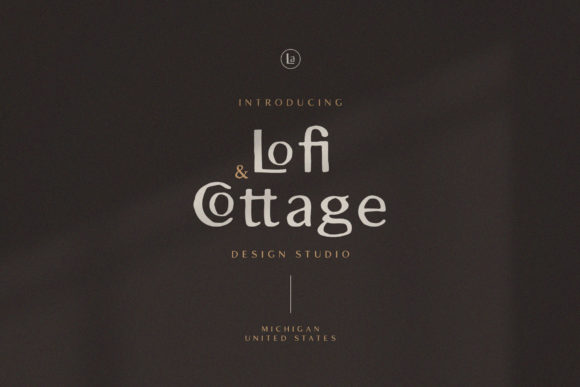
Lofi Cottage isn’t just another sans serif font—it’s a quiet, intentional choice. Designed as an experimental and rustic typeface, it carries warmth, texture, and subtle imperfection that feels handmade rather than algorithmically polished. Its gentle irregularities—slight variations in stroke weight, soft terminals, and relaxed proportions—evoke handwritten notes, vintage postcards, and sun-faded signage. That’s why designers, small business owners, educators, and content creators are turning to Lofi Cottage when they want authenticity without sacrificing readability.
Why It Resonates (and Why That Can Be Misleading)
The nostalgic feel of Lofi Cottage is its biggest strength—and its most common source of misapplication. People often assume “rustic” means “casual,” or “lofi” means “low-effort.” But this font doesn’t work well as a default body text for long-form blogs, legal disclaimers, or dense product documentation. Its charm lives in contrast: headlines over clean neutrals, quotes beside minimalist layouts, packaging labels next to natural materials. When used where clarity and speed matter most—like navigation menus or data tables—it can slow comprehension or feel unintentionally off-brand.
Avoiding the “Vibe-First” Trap
One frequent mistake is selecting Lofi Cottage purely for mood, then forcing it into contexts it wasn’t built for. For example:
- A café owner uses it for their entire website—including menu prices, opening hours, and contact info—only to hear customers say, “I had to reread the address twice.”
- A freelance educator picks it for slide titles *and* bullet points in a workshop deck, making key takeaways harder to scan during live sessions.
- A blogger applies it to both headings and captions on Instagram posts, losing visual hierarchy and reducing engagement on mobile feeds.
These aren’t failures of taste—they’re oversights in typographic function. Lofi Cottage thrives when paired intentionally, not uniformly.
What to Check Before Downloading or Licensing
Not all versions of Lofi Cottage behave the same way. Some releases include only uppercase letters or lack diacritics, which matters if your audience uses accented characters (e.g., “café,” “naïve,” “São Paulo”). Others skip punctuation variants, OpenType features like stylistic alternates, or even basic numerals—leaving you scrambling mid-design. Always preview the full character set before committing, especially if you’re building multilingual content, e-commerce listings, or educational materials.
Also verify licensing terms. Lofi Cottage is often offered under personal-use-only licenses in free tiers. If you’re using it in a client’s logo, a Shopify store banner, or printed merchandise for resale, you’ll likely need a commercial license. Skipping this step risks takedown notices or rework later—especially if the font appears in high-visibility places like packaging or ads.
Pairing Without Clashing
Lofi Cottage pairs best with typefaces that ground its personality—not compete with it. Think of it like choosing a supporting actor: it needs space to shine but shouldn’t carry every scene. Avoid pairing it with other textured, low-contrast, or highly decorative fonts (e.g., another hand-drawn sans or distressed serif). The result often feels chaotic or visually fatiguing.
Instead, try these pairings:
- For digital interfaces: Pair Lofi Cottage headlines with Inter or IBM Plex Sans for body text—clean, neutral, and highly legible at small sizes.
- For print or branding: Use it alongside Freight Text or PT Serif for longer copy—serif companions that add quiet sophistication without overshadowing.
- For social graphics: Combine it with a single-weight geometric sans like Manrope or Work Sans—simple enough to recede, structured enough to balance Lofi Cottage’s organic rhythm.
The goal isn’t contrast for contrast’s sake. It’s about giving each voice room to serve its purpose: one to invite, the other to inform.
Realistic Expectations for File Size & Performance
Lofi Cottage’s subtle textures sometimes mean slightly larger file sizes—especially in variable or WOFF2 formats with extended language support. On websites or email templates, unoptimized usage can delay loading, particularly on slower connections. Don’t assume “it’s just one font”—test how it affects your page’s Core Web Vitals. If you only need headings, load only the bold or medium weight—not the full family. If you’re embedding it via CSS, use font-display: swap so fallback text appears immediately while the font loads.
Also note: some free downloads bundle Lofi Cottage with unnecessary extras—fake “premium” installers, bundled toolbars, or adware-laced ZIPs. Stick to trusted sources like the designer’s official site, reputable foundries, or verified marketplaces. If a download asks for payment via sketchy gateways or demands excessive permissions, pause and search for alternatives.
When Simpler Alternatives Make More Sense
Lofi Cottage shines in projects where craft, warmth, and human tone matter most—but it’s not always the right tool. Ask yourself:
- Is my audience scanning quickly (e.g., mobile users, accessibility needs)? Then prioritize high legibility over texture.
- Do I need tight spacing control for tight UI elements? Lofi Cottage’s generous side bearings may require manual kerning adjustments.
- Am I designing for screen readers or PDF accessibility? Ensure the version you choose includes proper Unicode mapping and avoids glyph substitution that breaks text-to-speech parsing.
If the answer to two or more is “yes,” consider alternatives like Recoleta (for refined rustic), Atkinson Hyperlegible (for inclusive clarity), or Public Sans (for open, trustworthy neutrality)—then bring in Lofi Cottage selectively for moments that benefit from its soulful presence.
Final Thought: Let It Breathe
Lofi Cottage works best when treated like a thoughtful detail—not the whole story. Its value isn’t in ubiquity, but in intentionality. Whether you’re naming a handmade soap line, designing a community newsletter, or crafting a workshop handout, let it anchor emotion, not overwhelm utility. Test it in context. Print it. Zoom out. Read it aloud. See how it lands—not just how it looks.
And remember: great typography isn’t about chasing trends. It’s about matching voice to purpose—with honesty, care, and just the right amount of quiet charm.